
Love’s Daughter


I am the daughter of kings and queens; of saints and sinners, revolutionaries, valkyries and explorers. Because they loved centuries ago, my DNA is infused with their spirits. My heart beats to the drumbeat of greatness, and sometimes notoriety.
Of course, not all of my ancestors changed the course of history, but we are all links in a chain. My own contribution to the legacy of my for-bearers: four daughters, a few songs and volumes of poetry that only a few eyes will see.
But it is enough. We all can’t be Gandolf “King of Vingulmork Norway” Alfgeirsson, or Eleanor “Duchess of Aquitaine”, Henry II, King of England, or Itta, “The Blessed” of Nivilles, Harald VII Herbastus ”Bluetooth” deCrepon Gormosson, or Mary Chilton, who crossed the Atlantic on The Mayflower to begin a new life in a new land. But I feel each of them coursing through my veins. Every ounce of tenacity, pluck and determination in me is a testament to their legacy.
I am the daughter of kings and queens; of saints and sinners, revolutionaries, valkyries and explorers. Because they loved and lived centuries ago, their joys, their sorrows, their very spirits live in me.
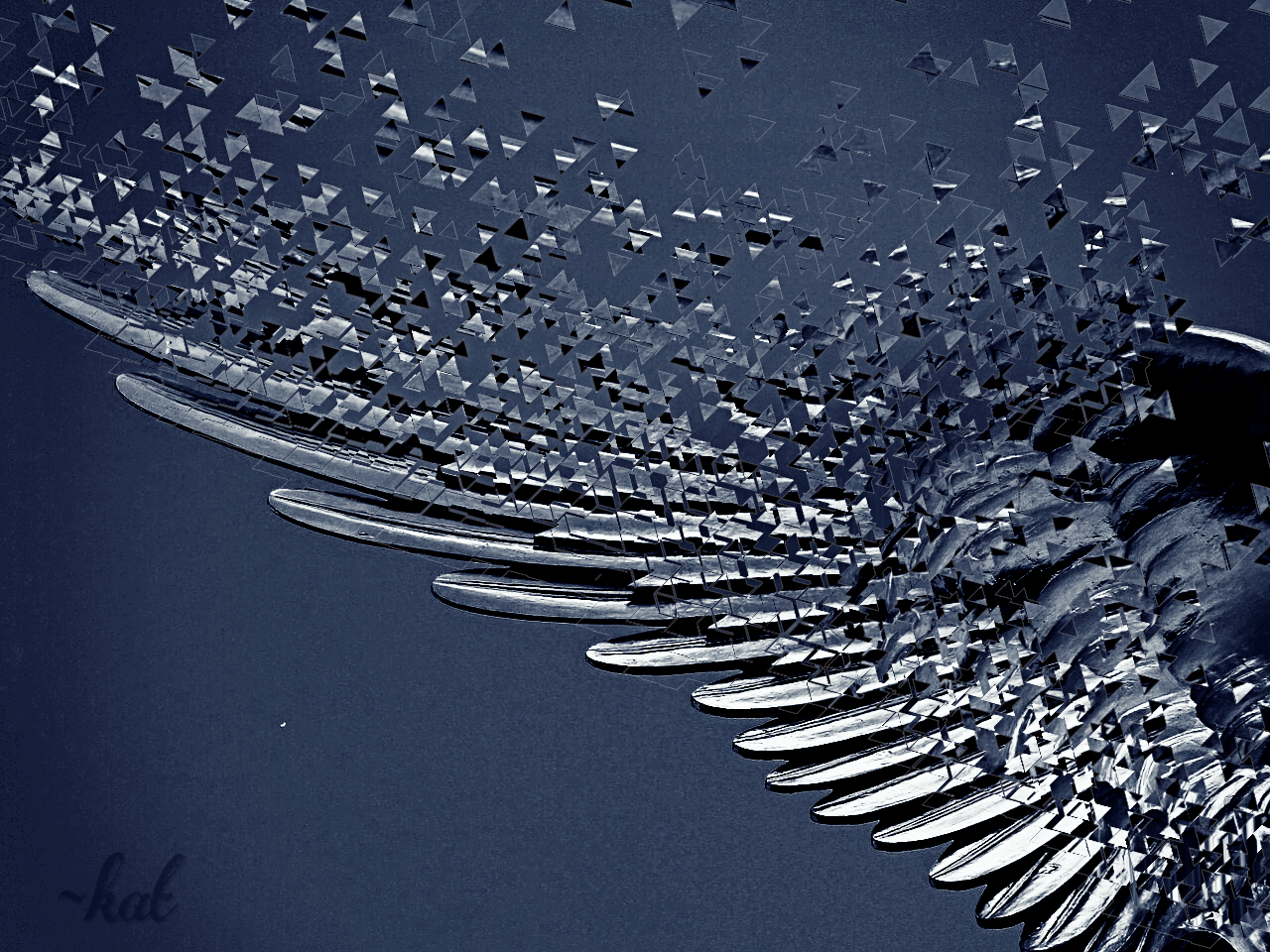
droplets of crimson
legacy’s bloodline melding
like mercury colliding
spirit of my ancestors
coursing through my veins
spirit of love enduring
destiny’s daughter
a tiny dot on a page
lost to history
~kat
For Colleen Chesebro’s Weekly Poetry Challenge #52, A Haibun/Tanka/Haiku prompted by the words “Spirit” and “Joy”.

A few of the “Begats” if you’re interested 🙂 We might be related. You never know! 🙂
GANDOLF “KING OF VINGULMORK NORWAY” ALFGEIRSSON (708 – 768)
41st great-grandfather
Alfhild Denmark Norway Gandolfsdottir (728 – 810)
daughter of GANDOLF”KING OF VINGULMORK NORWAY” ALFGEIRSSON
King Ragnar “Lodbrok or Hairy Breeches” of Denmark and Sweden Sigurdsson (750 – 845)
son of Alfhild Denmark Norway Gandolfsdottir
Sigurd Snake Eye Oega Ragnarrson Denmark (786 – 873)
son of King Ragnar “Lodbrok or Hairy Breeches” of Denmark and Sweden Sigurdsson
Hardeknud Harthacanute Denmark Sigurdsson (814 – 884)
son of Sigurd Snake Eye Oega Ragnarrson Denmark
Gormr “The Old” King of Denmark Hardeknudsson (860 – 936)
son of Hardeknud Harthacanute Denmark Sigurdsson
Harald VII Herbastus Bluetooth deCrepon Gormsson (906 – 987)
son of Gormr “The Old” King of Denmark Hardeknudsson
Lady Wevia Doceline Woerta Aveline Senfrie DeMontfort DeCrepon (942 – 1037)
daughter of Harald VII Herbastus Bluetooth deCrepon Gormsson
Humphrey DeHarcourt (980 – 1044)
son of Lady Wevia Doceline Woerta Aveline Senfrie DeMontfort DeCrepon
Albreda DePreaux (1042 – 1112)
daughter of Humphrey DeHarcourt
Countess Albreda De Rie (1060 – 1096)
daughter of Albreda DePreaux
Muriel Valoienes (1070 – 1090)
daughter of Countess Albreda De Rie
Autigonus DeMontchensy (1085 – )
son of Muriel Valoienes
Agnes Weynes de Montchensy (1110 – )
daughter of Autigonus DeMontchensy
John DeHolebrok (1140 – )
son of Agnes Weynes de Montchensy
Edmund deHolebrok (1170 – 1250)
son of John DeHolebrok
William DeHolebrok (1200 – 1250)
son of Edmund deHolebrok
Sir Richard deHolebrok (1230 – 1291)
son of William DeHolebrok
John DeHolebrok (1260 – 1306)
son of Sir Richard deHolebrok
John DeHolebrok (1290 – 1316)
son of John DeHolebrok
Sir Thomas DeHolbrok (1316 – )
son of John DeHolebrok
John DeHolbrok (1350 – 1382)
son of Sir Thomas DeHolbrok
William DeHolbrok (1380 – )
son of John DeHolbrok
John DeHolbrook (1410 – )
son of William DeHolbrok
Thomas Holbrook (1440 – 1561)
son of John DeHolbrook
William Holbrook (1474 – 1546)
son of Thomas Holbrook
Constance Johanna Holdbrook (1507 – 1576)
daughter of William Holbrook
Constance Thayer (1532 – 1580)
daughter of Constance Johanna Holdbrook
William Holbrook (1568 – 1625)
son of Constance Thayer
Thomas Holbrook (1599 – 1677)
son of William Holbrook
Captain John Holbrook (1617 – 1699)
son of Thomas Holbrook
Experience Holbrook (1661 – 1685)
daughter of Captain John Holbrook
Joseph Edson (1679 – 1768)
son of Experience Holbrook
Joseph Edson (1712 – 1778)
son of Joseph Edson
John Edson (1748 – 1814)
son of Joseph Edson
Isaac Edson (1770 – 1844)
son of John Edson
Hannah Edson (1798 – 1873)
daughter of Isaac Edson
Ambrose Tower (1825 – 1907)
son of Hannah Edson
Mary H. Tower (1836 – 1883)
daughter of Ambrose Tower
John Henry Collins (1868 – )
son of Mary H. Tower
Sylvia Collins (1892 – 1972)
daughter of John Henry Collins
William Collins Cunningham (1909 – 1967)
son of Sylvia Collins
Dorothy Ellen Cunningham (1933 – 2006)
daughter of William Collins Cunningham
Kathleen Myrman
You are the daughter of Dorothy Ellen Cunningham
Eleanor Duchess Of Aquataine (1122 – 1204) Wife of Henry, II, King of England
25th great-grandmother/25th great-grandfather
Joan Plantagenet (1165 – 1199)
daughter of Eleanor Duchess Of Aquataine
Joan De Kinewarton (1189 – 1215)
daughter of Joan Plantagenet
Richard DeBruley (1211 – 1250)
son of Joan De Kinewarton
Henry De Bruley (1243 – 1305)
son of Richard DeBruley
William DeBruley (1270 – 1359)
son of Henry De Bruley
Alice Bruley (1326 – 1390)
daughter of William DeBruley
(Sir) Guy de La Spine Baron of Coughton (1350 – 1427)
son of Alice Bruley
Agnes Andrew (1460 – 1466)
daughter of (Sir) Guy de La Spine Baron of Coughton
Lady Cecilia Agnes Tansley (1460 – 1515)
daughter of Agnes Andrew
William Winslow (1490 – 1543)
son of Lady Cecilia Agnes Tansley
Kenelm Winslow (1534 – 1607)
son of William Winslow
Edward Winslow (1560 – 1631)
son of Kenelm Winslow
JOHN Winslow (1597 – 1674), Husband of Mary Chilton
son of Edward Winslow
Susanna Winslow (1630 – 1685)
daughter of JOHN Winslow
Mercy Latham (1650 – 1707)
daughter of Susanna Winslow
Mary Harris (1690 – 1727)
daughter of Mercy Latham
Sarah Packard (1714 – 1792)
daughter of Mary Harris
Judith Shaw (1749 – 1776)
daughter of Sarah Packard
Isaac Edson (1770 – 1844)
son of Judith Shaw
Hannah Edson (1798 – 1873)
daughter of Isaac Edson
Ambrose Tower (1825 – 1907)
son of Hannah Edson
Mary H. Tower (1836 – 1883)
daughter of Ambrose Tower
John Henry Collins (1868 – )
son of Mary H. Tower
Sylvia Collins (1892 – 1972)
daughter of John Henry Collins
William Collins Cunningham (1909 – 1967)
son of Sylvia Collins
Dorothy Ellen Cunningham (1933 – 2006)
daughter of William Collins Cunningham
Kathleen Myrman
You are the daughter of Dorothy Ellen Cunningham
Itta Blessed Ida Nivelles (591 – 652)
45th great-grandmother
Saint Beggue Carolingian Landen And Austrasia (613 – 698)
daughter of Itta Blessed Ida Nivelles
Pepin Fat Herstal Austrasia (635 – 714)
son of Saint Beggue Carolingian Landen And Austrasia
Charles or Karl The Hammer Mayor of Palace In Austrasia Martel (675 – 741)
son of Pepin Fat Herstal Austrasia
Aude Aldane (732 – 804)
daughter of Charles or Karl The Hammer Mayor of Palace In Austrasia Martel
Redburh Wessex (788 – 839)
daughter of Aude Aldane
AETHELWULF I NOBLE WOLF OF WESSEX. KING OF ENGLAND (806 – 857)
son of Redburh Wessex
Alfred”The Great” King of England (849 – 901)
son of AETHELWULF I NOBLE WOLF OF WESSEX. KING OF ENGLAND
Edward The Elder King of England (871 – 924)
son of Alfred”The Great” King of England
Edmund I “The Magnificent” King of England Aetheling (922 – 946)
son of Edward The Elder King of England
Edgar “The Peacable” King of England (943 – 975)
son of Edmund I “The Magnificent” King of England Aetheling
Ethelred II Mucel The Unready King of England A (968 – 1016)
son of Edgar “The Peacable” King of England
Elfgifu Aelfgifu Elgiva England Wessex (997 – 1098)
daughter of Ethelred II Mucel The Unready King of England A
LUCIA (Countess Chester) DeMercia (1040 – 1080)
daughter of Elfgifu Aelfgifu Elgiva England Wessex
Lucy Countess Chester Taillebois (1068 – 1136)
daughter of LUCIA (Countess Chester) DeMercia
Ranulph II (Earl of Chester) De Meschines (1099 – 1153)
son of Lucy Countess Chester Taillebois
Hugh DeMeschines (1147 – 1181)
son of Ranulph II (Earl of Chester) De Meschines
Agnes DeMeschines (1174 – 1247)
daughter of Hugh DeMeschines
William, III, 5th Earl of Derby De Ferrers (1193 – 1254)
son of Agnes DeMeschines
Matilda Maud de Ferrers (1228 – 1298)
daughter of William, III, 5th Earl of Derby De Ferrers
Joan Countess of Chewton de Vivonne+ (1250 – 1314)
daughter of Matilda Maud de Ferrers
Margaret FitzPiers (1274 – 1300)
daughter of Joan Countess of Chewton de Vivonne+
Roger WINTER (1300 – 1325)
son of Margaret FitzPiers
Richard Winter (1325 – 1350)
son of Roger WINTER
William Winter (1350 – 1398)
son of Richard Winter
Elizabeth Winter (1384 – 1408)
daughter of William Winter
John Reade (1408 – 1434)
son of Elizabeth Winter
Thomas READE (1434 – 1460)
son of John Reade
John Reade (1460 – 1503)
son of Thomas READE
William Reade (1485 – 1534)
son of John Reade
ALICE READ (1512 – 1556)
daughter of William Reade
Thomas Trowbridge (1542 – 1619)
son of ALICE READ
John Trowbridge (1570 – 1649)
son of Thomas Trowbridge
Thomas Trowbridge (1598 – 1672)
son of John Trowbridge
Deacon James Trowbridge (1636 – 1717)
son of Thomas Trowbridge
Hannah Trowbridge (1672 – 1728)
daughter of Deacon James Trowbridge
Daniel Greenwood (1704 – 1775)
son of Hannah Trowbridge
Sarah Greenwood (1734 – 1808)
daughter of Daniel Greenwood
Sibbel Roper (1758 – 1826)
daughter of Sarah Greenwood
Susanna Walker (1787 – 1814)
daughter of Sibbel Roper
Sybil Roper Adams (1810 – 1881)
daughter of Susanna Walker
Mary Jane Totten (1830 – 1891)
daughter of Sybil Roper Adams
Mary H. Tower (1836 – 1883)
daughter of Mary Jane Totten
John Henry Collins (1868 – )
son of Mary H. Tower
Sylvia Collins (1892 – 1972)
daughter of John Henry Collins
William Collins Cunningham (1909 – 1967)
son of Sylvia Collins
Dorothy Ellen Cunningham (1933 – 2006)
daughter of William Collins Cunningham
Kathleen Myrman
You are the daughter of Dorothy Ellen Cunningham





 like mercury colliding...