
Sometimes glimmers are gold! Last summer our feeders will filled with goldfinches. So we did a little research an learned that they love thistle seeds. So…as we do for the variety of wild visitors to our property, we set up a dedicated thistle seed tree for our new friends. You can see how popular that became in the photo below…
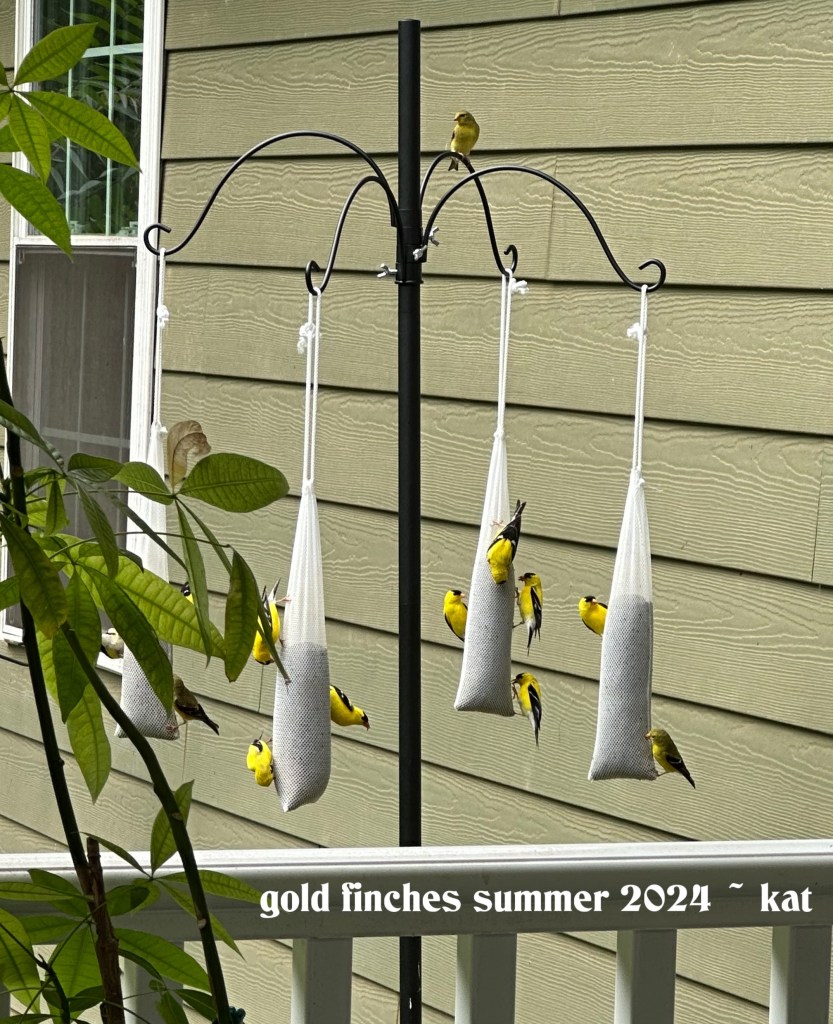
Then in September Hurricane Helene came roaring through! After days of a dangerous winds and massive rain here in the Blur Ridge foothills, our beloved little golden friends disappeared. 😟 I left the feeders up for months. No goldfinches came. We were heartbroken thinking they may have perished in the storm. We never gave up hoping they might return but I put away the seed to protect them from the weather. And then this week…

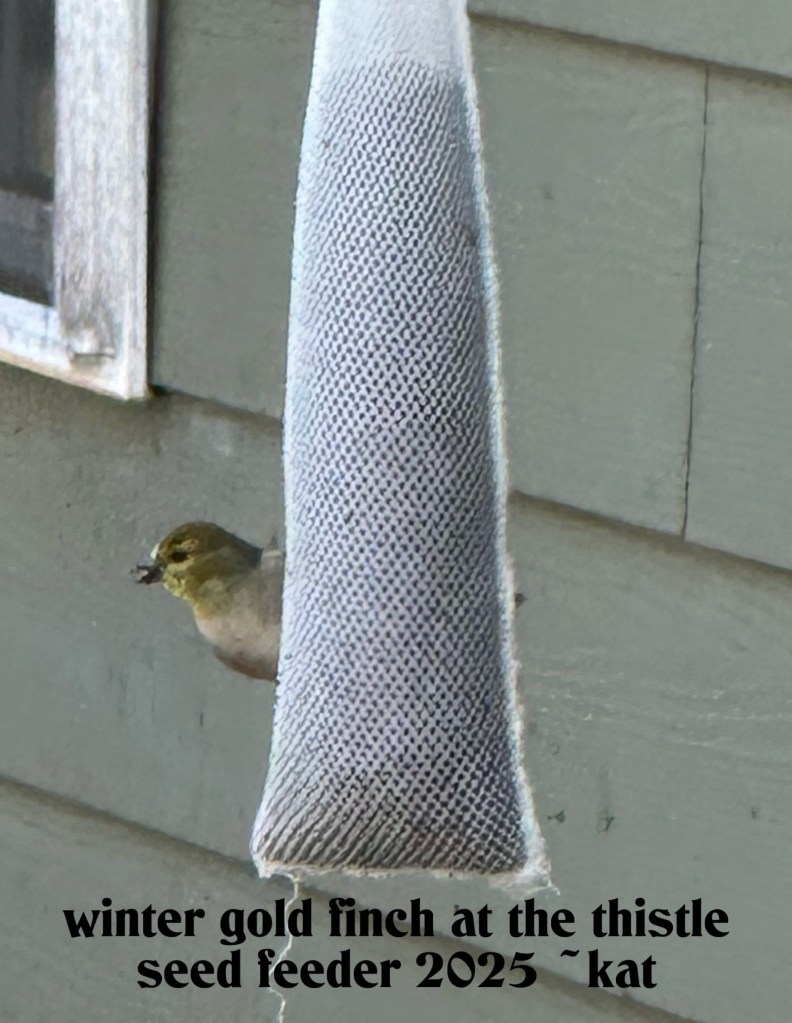
So…I set up the thistle seed feeders once again and they are back! A good number of them. And I am so happy and encouraged and reminded that we should always hold on to hope! Never give up!
Here’s another little one peaking around the seed bag… makes me smile, reminds me to breath…a big deep breath.
And finally a poem… peace and glimmers to you!!! Golden glimmers!!!! ✨
golden homecoming

finches have returned
gold flutters at the feeders
bellies thistle full
we thought they’d perished last fall
when the hurricane raged through

~kat

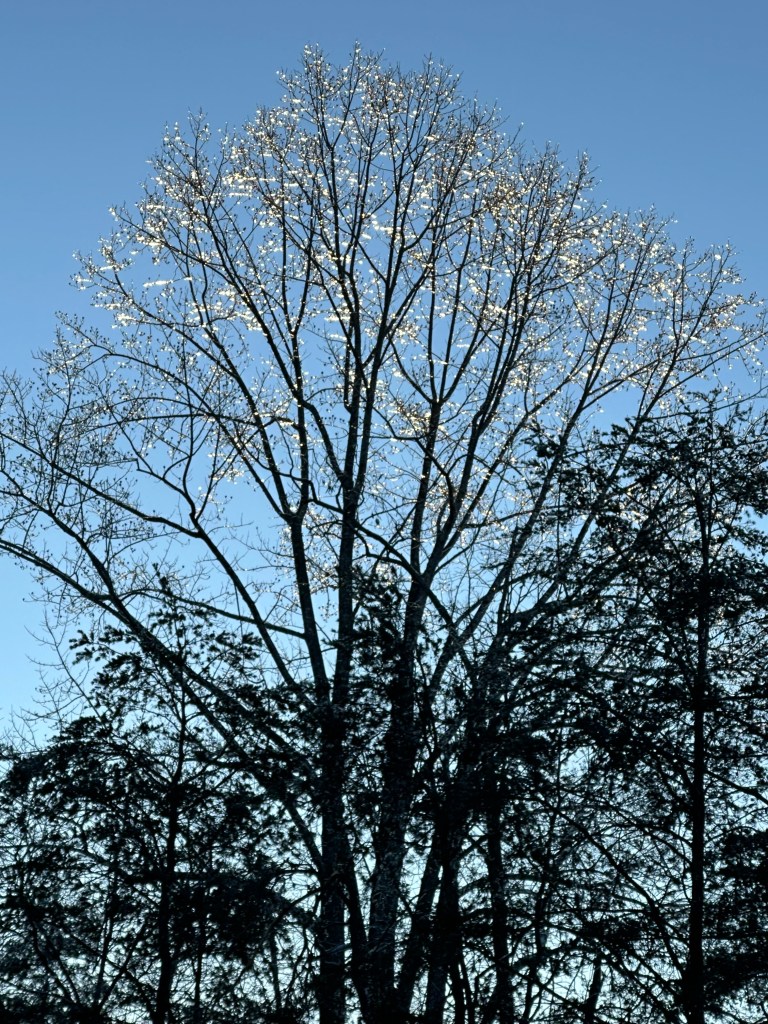

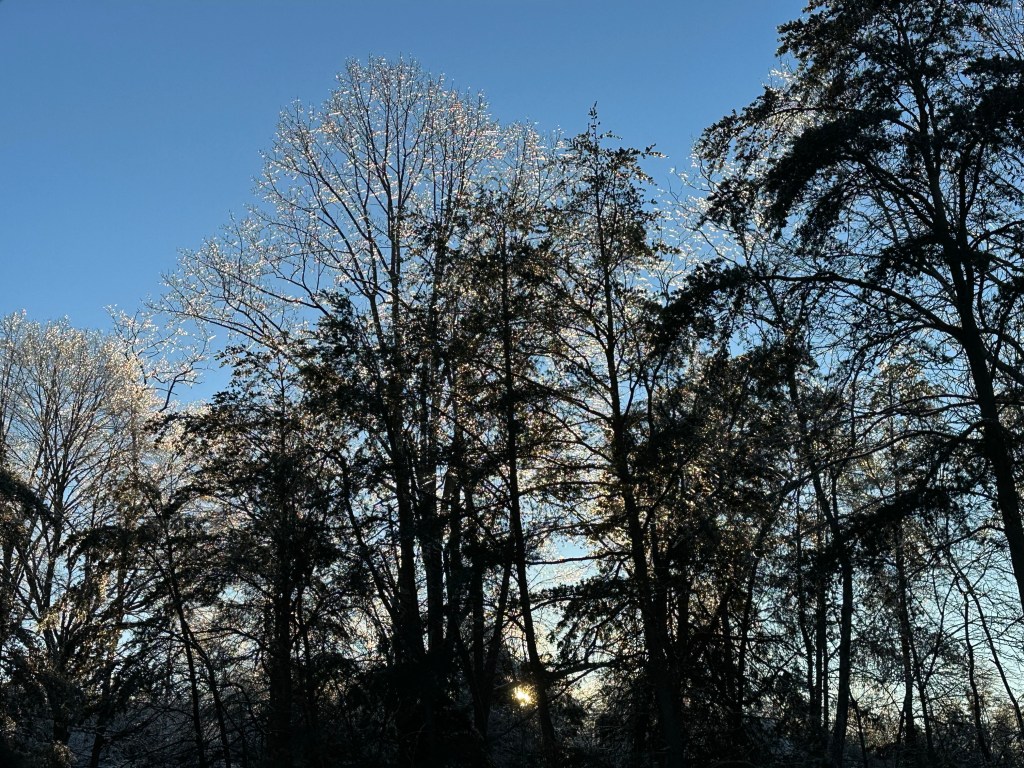


 like mercury colliding...