Tag Archives: Poem a Day

we may
never know
the lives we touch
when we dare to share a
smile
~kat
A cinqku must always have 5 lines and a perfect seventeen-syllable count. The lines typically follow a 2,3,4,6,2 format. There is no title requirement on the second line. As for syntax and diction styles, it follows the free Tanka style originally. There are no metric requirements for a cinqku poem. Additionally, the final line must contain a cinquain or kireji turn for emphasis.
3 Comments | tags: Challenge, Cinqku, digital art., Poem a Day, Poetry, September | posted in Challenges and Writing Prompts, Cinqku, Digital Art & Photos, Poetry, Random Thoughts and Musings

she lights
the night sky
casting shadows
of leaves on autumn’s cusp
turning
~kat
A cinqku must always have 5 lines and a perfect seventeen-syllable count. The lines typically follow a 2,3,4,6,2 format. There is no title requirement on the second line. As for syntax and diction styles, it follows the free Tanka style originally. There are no metric requirements for a cinqku poem. Additionally, the final line must contain a cinquain or kireji turn for emphasis.
6 Comments | tags: Challenge, Cinqku, digital art., Poem a Day, Poetry, September | posted in Challenges and Writing Prompts, Cinqku, Digital Art & Photos, Poetry, Random Thoughts and Musings
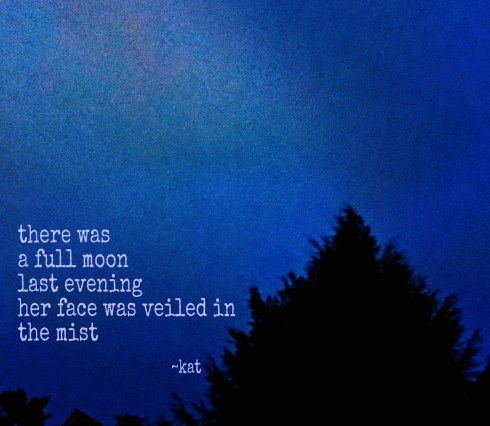
there was
a full moon
last evening
her face was veiled in
the mist
~kat
A cinqku must always have 5 lines and a perfect seventeen-syllable count. The lines typically follow a 2,3,4,6,2 format. There is no title requirement on the second line. As for syntax and diction styles, it follows the free Tanka style originally. There are no metric requirements for a cinqku poem. Additionally, the final line must contain a cinquain or kireji turn for emphasis.
5 Comments | tags: Challenge, Cinqku, digital art., Poem a Day, Poetry, September | posted in Challenges and Writing Prompts, Cinqku, Digital Art & Photos, Poetry, Random Thoughts and Musings
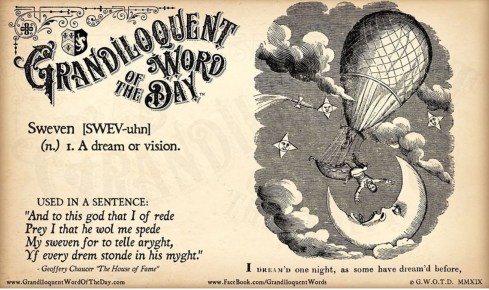
swevens
fill my head
it’s never to late
to realize a dream
do it
~kat
A cinqku must always have 5 lines and a perfect seventeen-syllable count. The lines typically follow a 2,3,4,6,2 format. There is no title requirement on the second line. As for syntax and diction styles, it follows the free Tanka style originally. There are no metric requirements for a cinqku poem. Additionally, the final line must contain a cinquain or kireji turn for emphasis.
Leave a comment | tags: Challenge, Cinqku, Poem a Day, Poetry, September | posted in Challenges and Writing Prompts, Cinqku, Poetry, Random Thoughts and Musings
youthful
arrogance
is a foible
we’re expected to outgrow…
some don’t
~kat
A cinqku must always have 5 lines and a perfect seventeen-syllable count. The lines typically follow a 2,3,4,6,2 format. There is no title requirement on the second line. As for syntax and diction styles, it follows the free Tanka style originally. There are no metric requirements for a cinqku poem. Additionally, the final line must contain a cinquain or kireji turn for emphasis.
2 Comments | tags: Challenge, Cinqku, Poem a Day, Poetry, September | posted in Challenges and Writing Prompts, Cinqku, Poetry, Random Thoughts and Musings