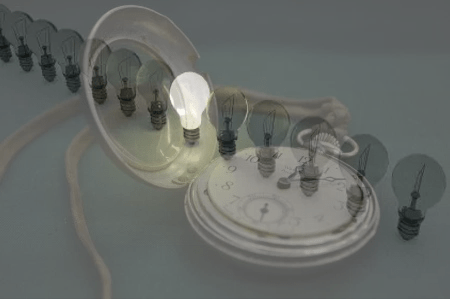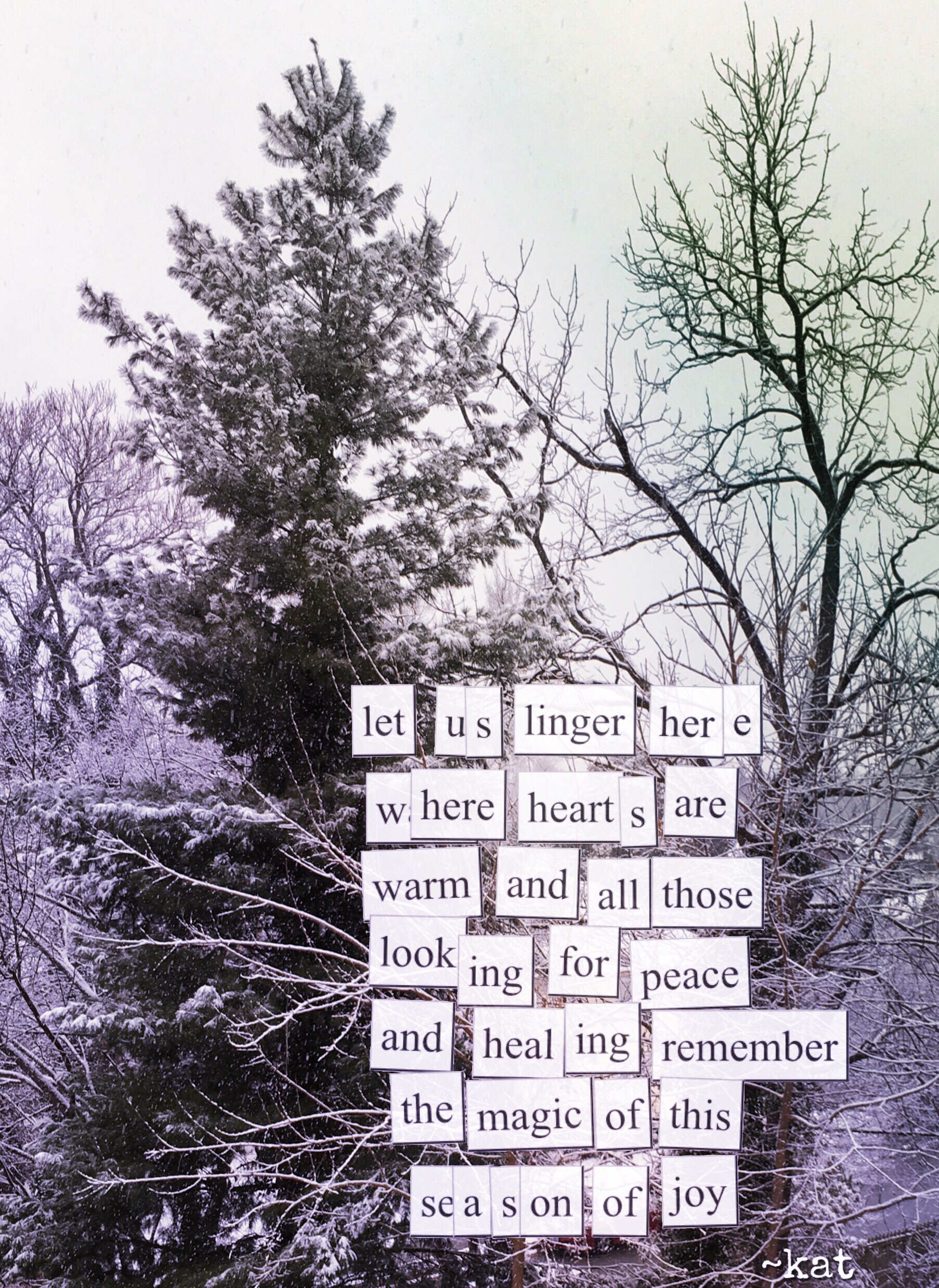
About the challenge: Each Tuesday I will provide a photo prompt. Your mission, if you choose to accept the challenge, is to tell a story in 280 characters or less. When you write your tale, be sure to let me know in the comments with a link to your tale.
A final note: if you need help tracking the number of characters in your story, there is a nifty online tool that will count for you at charactercountonline.com.
I will do a roundup each Tuesday, along with providing a new prompt. And if for some reason I missed your entry in the Roundup, as I have occasionally done, please let me know. I want to be sure to include your tale.
Finally, have fun!
And REMEMBER…you have 280 characters (spaces and punctuation included), to tell your tale…and a week to do it. I can’t wait to see what you create this week.
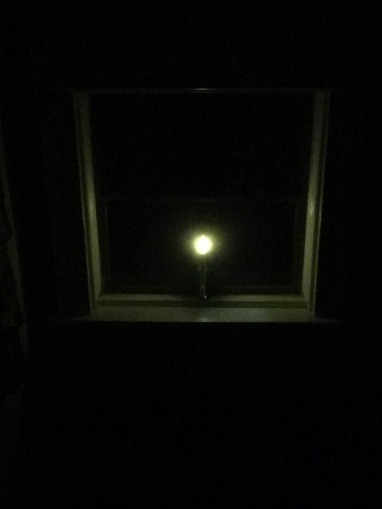
Starting us off…
From the inside, looking
out, there is nothing but
darkness, but from the
outside looking in, there
is a golden flush of
flickering light dancing
on the walls of a place
someone calls home.
(188 Characters)
From Martin at Martin Cororan:
The other moths treated Gary like a pariah.
‘Why don’t you fly towards the light ‘Gary’? Illumination not good enough?’
He often wondered whether they’d ascended to the Promised Land, or ended their days concussed and in flames.
When asked what he believed in Gary replied:
Martin’s favourite jumper…
From Fandango at This, That, and the Other:
We called it “the hole” because the only opening to the outside world was the rectangular window high above us. A bright light was always shining, blinding us to whatever might be peering down upon us. Jason had gone mad after about a week and I was sure to follow suit shortly.
(279 characters)
From Di at Pensitivity101:
Follow the light they said.
Sure, she replied.
Anyone got a step ladder?
Follow the light!
I’m trying to! A stool then?
Follow the light.
I would if I could get there!
Follow the light.
Oh sod it, turn the damn thing off.
213 characters.
From Lady Lee at Lady Lee Manila Blog:
The light of a candle in darkness
Stars and moon seem to be absent
In the stillness of the night
I am waiting for you
You’ll come back, you said
When the nights are long
Still I’m here
Patiently
Waiting
Hope*
(198 characters)
From Riya at Aestheticgraphy:
She felt locked, void, empty
Pretentious were her words
Fake was her attitude
She felt caged, in her own being
But one day, a light will come.
Knocking at the door, she will meet with her fate.
And get answers for all the unsolved mysteries in life.
Characters: 244
From Michael at Morpethroad:
Its become a ritual each night to light the candle in the hope you find your way home.
I miss you but cling to the dream you’ll come back.
I know you are out there and we get lost from time to time.
Until I hear otherwise, I’ll keep your flame alight.
From Radhika at Radhika’s Reflections:
Somber feelings define the mood
as a blanket of darkness descends
on the melancholic heart.
The vision eclipsed,
until a tiny flame ignited
from within ruminates.
Solitude and reflection
illuminates the soul
dispelling the obscurity
melting away the gloom!
Lc : 254 letters
From Lane at Lane Burke-poet, traveller, person of letters:
Night so quiet I can hear moonlight. In the distance: truck on gravel. GET OUT. A scrape of feet and knees. Door slams. Stones flung like sea spray as tires press down to find their grip. A cry like foxes carries her footsteps as she tries to run. They thought they were alone.
From Deepika at Deepika’s Ramblings:
“When confessions of the mind happen, under duress, and you are surrounded by darkness, & feel totally lost – delve deep within to find that tiny spark to dispel the darkness, and enlighten your path, to show you the way to emerge from the shackles of constraints and obstacles”.
278 characters
From Reena at ReInventions:
“These are the two forces that make the world what it is.”
“I just see a lamp there,” I say in exasperation.
“I see darkness and light in combat, but both retaining their identity. They owe their existence to each other, and hence, do not destroy the other completely.”
(267 characters)
From Peter at Peter’s Pondering:
Each night, as the sun began to sink below the horizon, she climbed to the half landing, placing a candle in the window. Striking a match, to light the wick, reminded her of striking the killer blow. As she descended the stairs she stroked the panel behind which he was entombed!
(279 characters)
From Lorraine at Lorraine’s Frilly Freudian Slip:
She lives in darkness, only barest candlelight glistening against snowfall of her fears.
Her raven’s hair redolent of cloves, dried biting orange peel and cinnamon.
For ornamentation, bright ear-baubles, and circlet.
Her fey gifts of healing called witchery by some.*
(268 characters)
Another great round of tales based on the candle in the window. This week, a time piece. As we near the end of 2017, are there things left undone or unsaid in your life. Will you be marking the new year with a clean slate or is it just another day…a continuation of the ticking of time. Eventually, the clock will stop for us all. But what will you do with the moments you have left. Or maybe this is an heirloom or an artifact; a rare glimpse into the life of a person from the past. Or it could be a jump start of a new day…8 minutes and counting, no time to waste. I’ll leave the details to you my friends. I hope you had a lovely holiday if you celebrate. 2018 is coming for all of us. Let us hope it is a good year. Peace.
Twittering Tale #64 – 26 December 2017
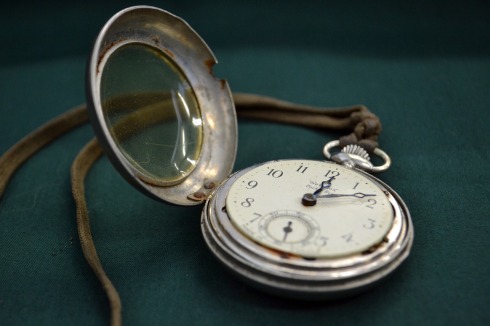
Photo by WildOne at Pixabay’s Creative Commons
Eight minutes was an eternity. Had he misread her feelings?
“If you love me, meet me at midnight at the cafe on the corner,” she smiled coyly.
“I’m such a fool,” he lamented.
As she breathed her last breath in a mangled heap of steel, only one regret haunted her. He was waiting.
~kat
(279 Characters)