Tag Archives: micropoetry

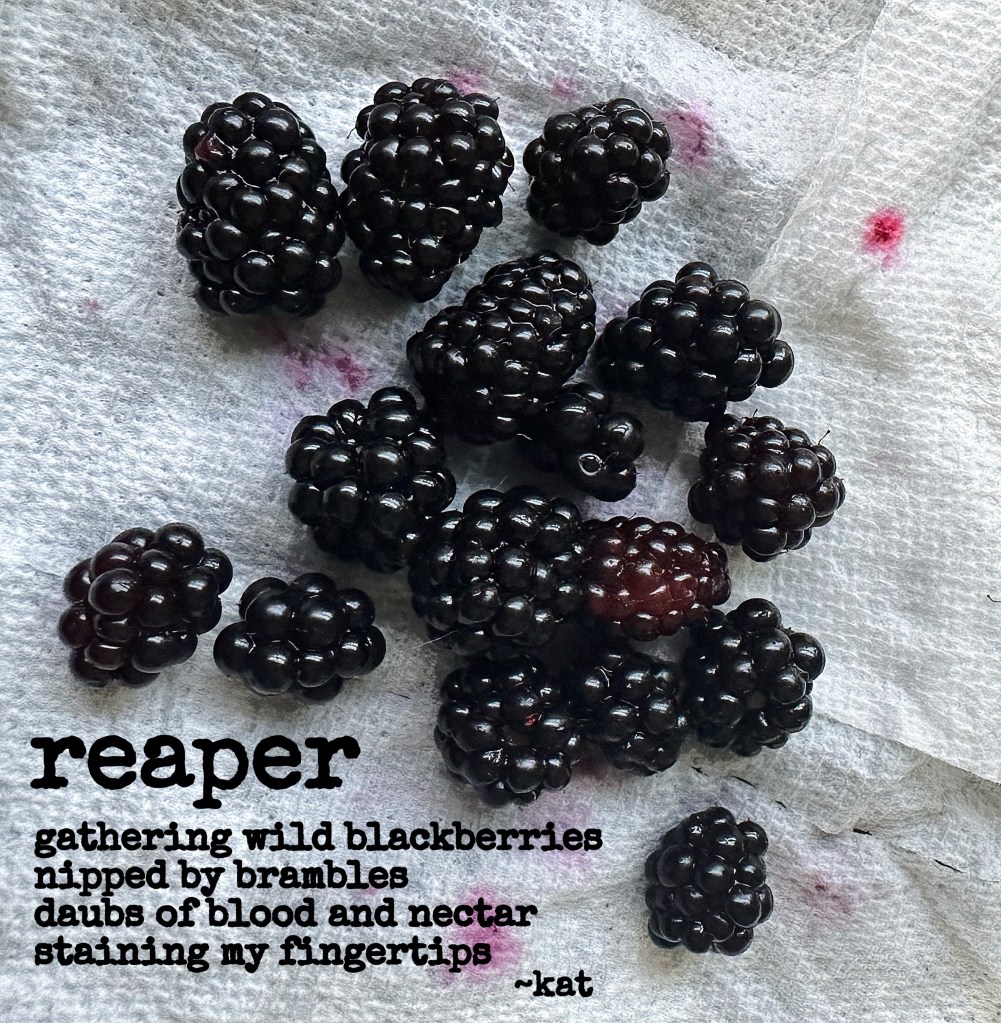
reaper

reaper

gathering wild blackberries
nipped by brambles
daubs of blood and nectar
staining my fingertips

~kat

Naani Poem

The Naani poem has its roots in India. It’s a modern day type of poem. It has four lines only. The entire poem can have 20-25 syllables. there is no restriction concerning the theme of the poem.



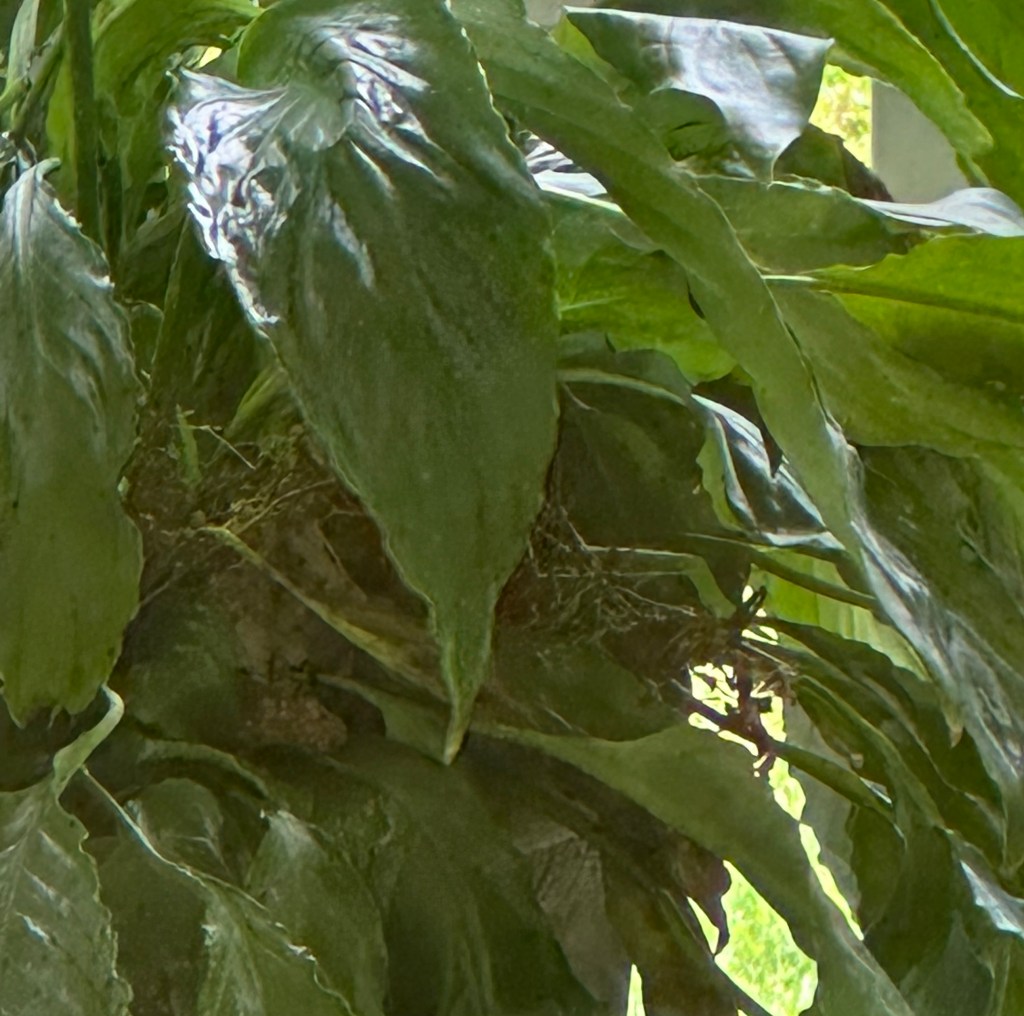
feathered squatter

feathered squatter

persistent little wren
thrice thwarted from nesting
in nooks on my porch
making peace in the lily pot

~kat

Naani Poem

So…this week I’m exploring the Naani. See a description of this form below:

The Naani poem has its roots in India. It’s a modern day type of poem. It has four lines only. The entire poem can have 20-25 syllables. there is no restriction concerning the theme of the poem.


cyber-say

cyber-say

i heard from a friend who’s friends with a friend
who saw it online…so
you know it must be true

~kat

Kimo poems are an Israeli version of haiku. Apparently, there was a need for more syllables in Hebrew. That said, most of the rules are still familiar:

• 3 lines.

• No rhymes.

• 10 syllables in the first line, 7 in the second, and 6 in the third.

Also, the kimo is focused on a single frozen image (kind of like a snapshot). So it’s uncommon to have any movement happening in kimo poems.


meaninglessness

meaninglessness

your apologies flow like bitter mantras
lacking all sincerity
obliterating us

~kat

Kimo poems are an Israeli version of haiku. Apparently, there was a need for more syl lables in Hebrew. That said, most of the rules are still familiar:

• 3 lines.

• No rhymes.

• 10 syllables in the first line, 7 in the second, and 6 in the third.

Also, the kimo is focused on a single frozen image (kind of like a snapshot). So it’s uncommon to have any movement happening in kimo poems.


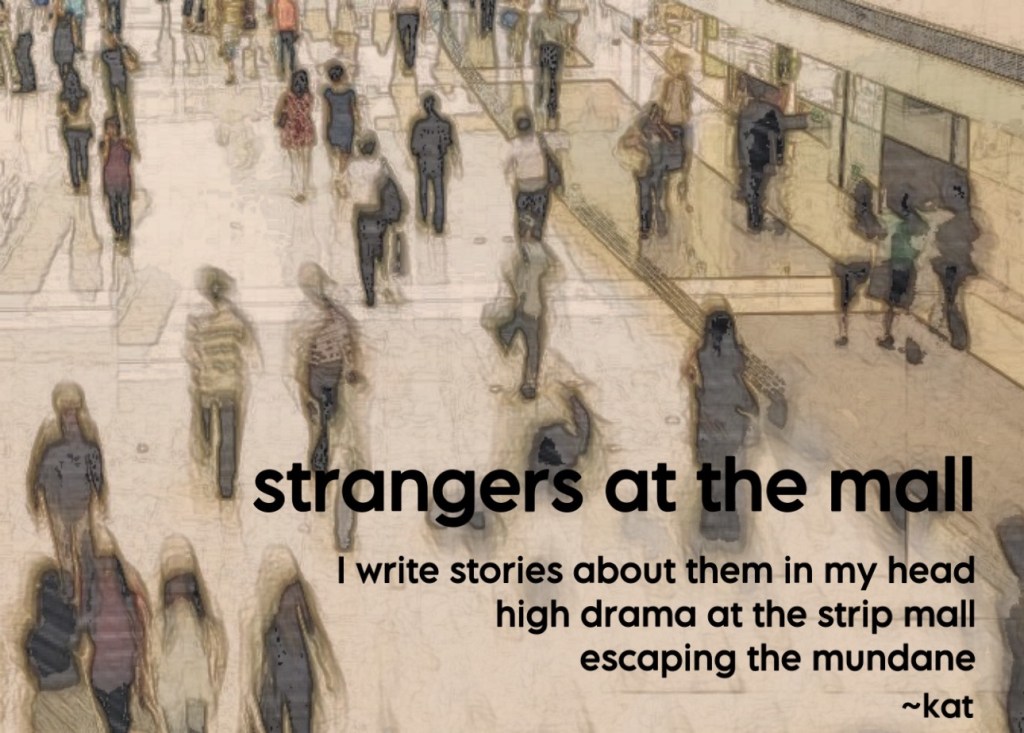
strangers at the mall

strangers at the mall

I write stories about them in my head
high drama at the strip mall
escaping the mundane

~kat

Kimo poems are an Israeli version of haiku. Apparently, there was a need for more syl lables in Hebrew. That said, most of the rules are still familiar:

• 3 lines.

• No rhymes.

• 10 syllables in the first line, 7 in the second, and 6 in the third.

Also, the kimo is focused on a single frozen image (kind of like a snapshot). So it’s uncommon to have any movement happening in kimo poems.