

drop dead deadlines, bottom lines
number crunching, red to black
budget cuts; frozen wages
useless escape key
~kat
drop dead deadlines, bottom lines
number crunching, red to black
budget cuts; frozen wages
useless escape key
~kat
In the stillness of late autumn, hearths crackle softly, teapots whistle, pots of soup simmer on low, and the sweet smell of baked goods lingers in the air, as the nights grow long. Winter is coming. It is a magical time of family gatherings, celebrations, sparkling lights and the exchanging of gifts. A time when we learn how lovely it is to give. We learn how to graciously receive. Or at least we try to. Most of us need a little work on that part.
So, this final month of 2018, as we remember the passing year and store up hope for the coming one, let there be no regret, but rather a gentle acceptance of days gone by; the good and the bad. May we gift ourselves with compassion, forgiveness and love. January symbolically represents a clean slate. My wish for all of us is love, peace and joy. It’s sounds a bit cliché, I know. But I can dream. I still do.
Have a great week.
dawn’s chorus erupting
I keep my dreams close
all those years ago
it was all smoke and tears
wasting my time
a lifetime is short, as seasons go
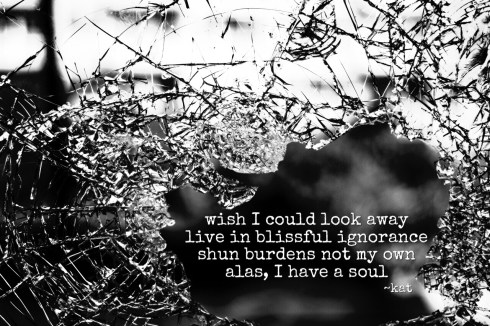
wish I could look away
whisp’ring prayers, their souls to keep
street lamps humming low
pluck soft petals one by one
~kat
A ReVerse poem is a summary poem with a single line lifted from each entry of a collection of work over a particular timeframe and re-penned in chronological order as a new poem. Unlike a collaborative poem, the ReVerse features the words of one writer, providing a glimpse into their thoughts over time. I use it as a review of the previous week.

new lovers will count the ways
pluck soft petals one by one
love or not, besotted be
by whispered nothings
~kat
For December’s daily poem I am exploring the Dodoitsu. Dodoitsu (都々逸) is a form of Japanese poetry developed towards the end of the Edo Period. Often concerning love or work, and usually comical (or perhaps a bit of irony – my take on things humorous), Dodoitsu poems consist of four lines with the syllabic structure 7-7-7-5 and no rhyme for a total of 26 syllables, making it one of the longer Japanese forms. The form, tone and structure of Dodoitsu derive from Japanese folk song traditions. There is also mention of a shortened “American” version called “Prep-Dodoitsu” by deinktvis on DeviantArt. Its syllabic structure is 5-5-5-3 for a total of 18 syllables.
The final two Naani poems for November. I have enjoyed this poetry form. It’s been a sleepy two days…a bit under the weather…but on the mend. Happy weekend!
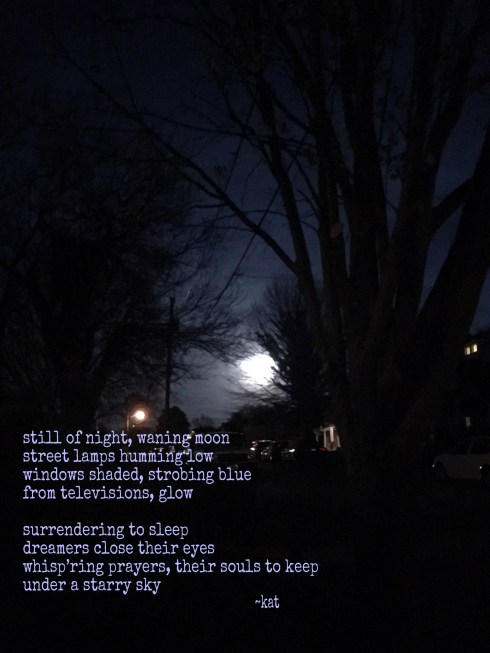
still of night, waning moon
street lamps humming low
windows shaded, strobing blue
from televisions, glow
surrendering to sleep
dreamers close their eyes
whisp’ring prayers, their souls to keep
under a starry sky
~kat
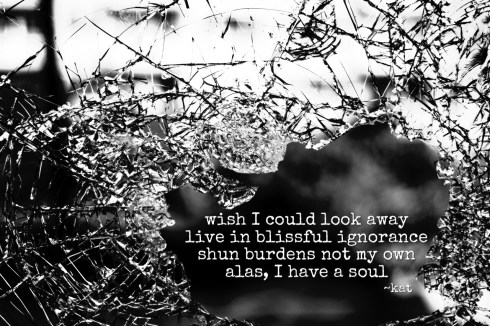
wish I could look away
live in blissful ignorance
shun burdens not my own
alas, I have a soul
~kat





 like mercury colliding...